
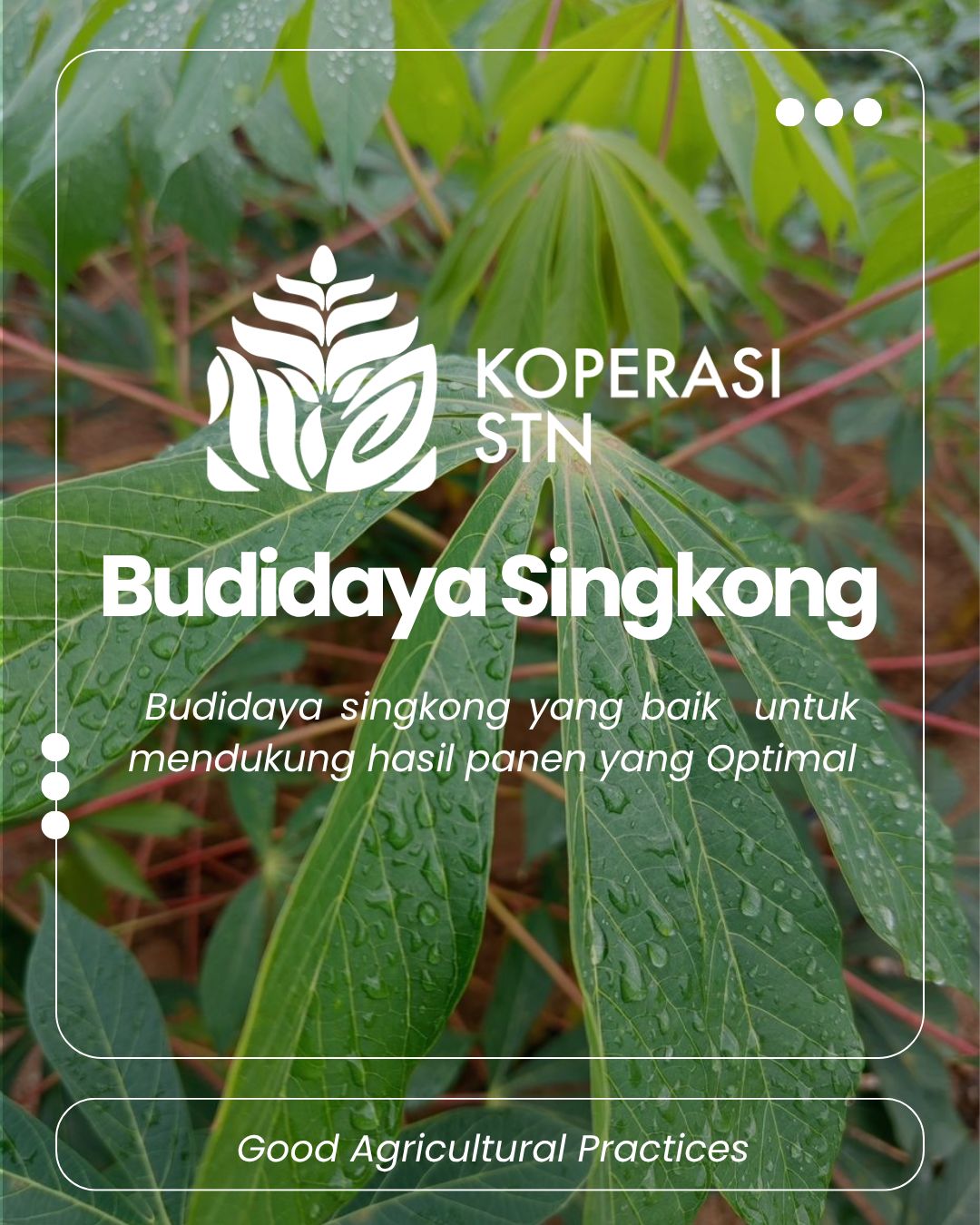
Good Agricultural Practices: A Guide to Modern Cassava Cultivation
Implementing Good Agricultural Practices (GAP) in cassava cultivation is not just about better yields — it is about building farming that is sustainable, profitable, and environmentally responsible for future generations.
Good Agricultural Practices (GAP) is a set of principles and guidelines designed to ensure safe, high-quality, and sustainable agricultural production. For cassava, implementing GAP is the key to competing in a market that increasingly demands high quality standards.
What Are Good Agricultural Practices?
GAP covers the entire agricultural production chain — from land preparation to post-harvest handling — with emphasis on:
- Food safety
- Environmental protection
- Farmer safety and welfare
- Consistent product quality
Applying GAP in Cassava Cultivation
Land Preparation
- Soil analysis before planting to determine nutrient needs and pH
- Soil cultivation that respects soil structure and does not damage the topsoil layer
- Drainage management to prevent waterlogging that damages roots
Seed Selection and Treatment
- Use certified seeds or seeds from trusted sources
- Pre-planting seed treatment to prevent seed-borne diseases
- Documentation of seed origin for traceability purposes
Organic Fertilizer Management
GAP promotes the use of organic fertilizers as the primary strategy:
- Compost from crop residues and organic waste
- Manure that has been fully fermented
- Green manure from cover crops
Chemical fertilizers are used only as a supplement, not the primary input.
Integrated Pest and Disease Management (IPM)
- Regular monitoring for early detection
- Prioritize biological and cultural controls
- Chemical pesticides as a last resort, at the correct dosage and type
- Record every pesticide application for documentation
Post-Harvest Handling
- Harvest at the right time (optimal age and condition)
- Careful handling to minimize physical damage
- Quick delivery to the processing point to maintain freshness
Benefits of Implementing GAP
| Benefit | Impact |
|---|---|
| More consistent product quality | More stable and competitive selling price |
| More efficient input costs | Higher farmer profit margins |
| Healthier soil in the long term | Productivity maintained across seasons |
| Complete documentation | Meets requirements for certification and export |
"Cassava is not just a food source — it is also a sustainable economic opportunity." With GAP, that potential can be maximized responsibly.
KPMP Sahabat Tani Nusantara supports partner farmers in implementing GAP through training, field visits, and access to technical resources.
#SahabatTaniNusantara #CassavaCultivation #SustainableFarming #FarmerCooperative #ModernAgriculture